Today we drove from Louisville, through Indiana, Illinois, and in to Missouri. No new states today. What is coming into view, though, is the finish line. This last part of the trip will hopefully go fast!
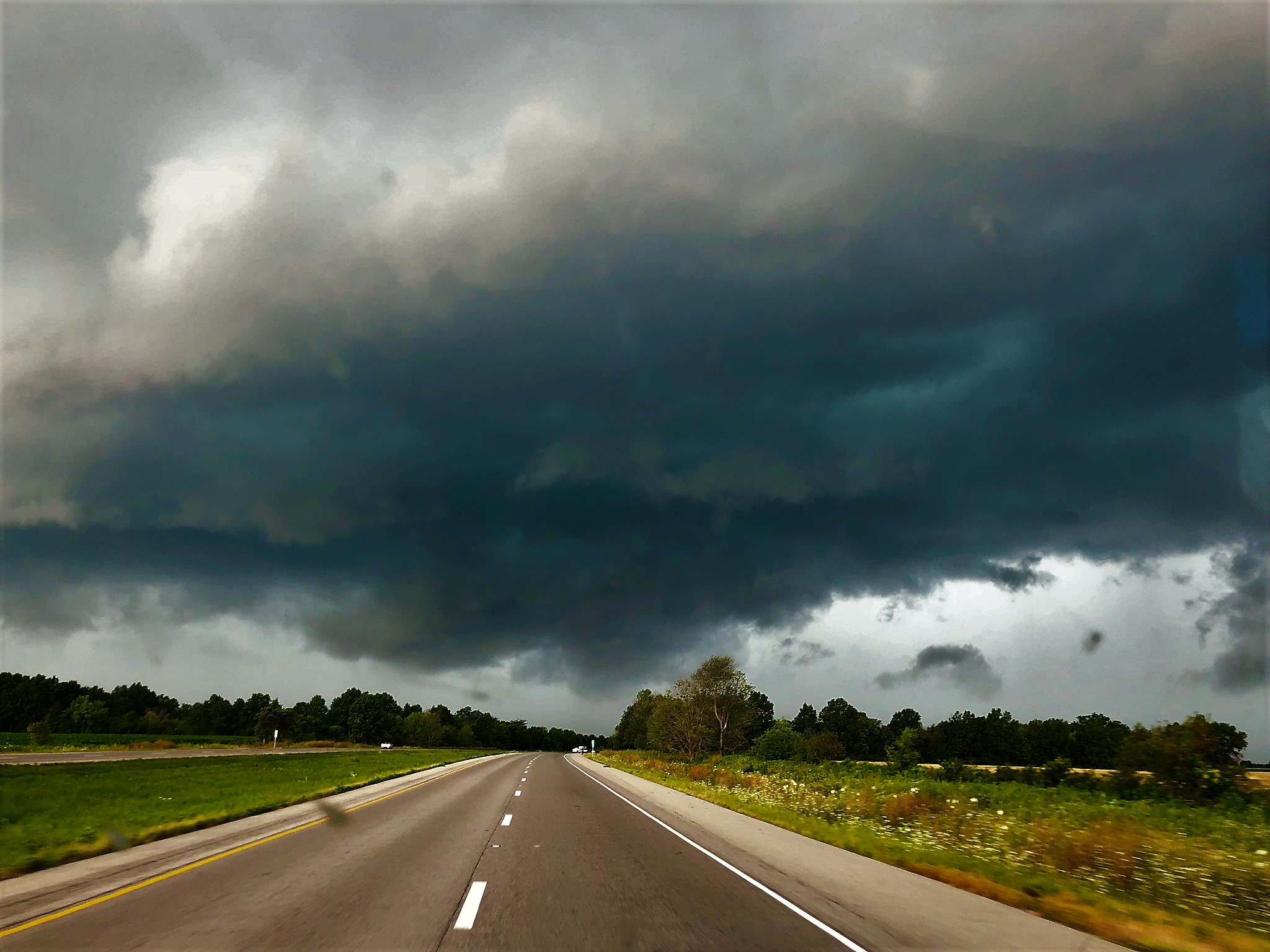
We drove through a pretty impressive thunderstorm while in southern Illinois. Storms in the midwest and the south are very impressive. As we were driving down the highway, I could see the storm up ahead. It was dark and ominous. As we got closer, I could see where the rain began. This reminded me of Hawai’i. I remember playing two-hand touch football in the street when I was a kid. You could tell you were about to get dumped on because you could see and hear the rain coming up the street. “Last touchdown wins!” we would yell. Then the game got serious as we strived to score one last time before the rain, coming slowly up the street, got to us. It’s a great memory, and one that I was reminded of as we drove into the storm. Also like in Hawai’i, when it rains – it rains. I almost had to pull over because there were times when I absolutely could not see a thing in front of me. It’s scary, but honestly, I love it. Dumb me!
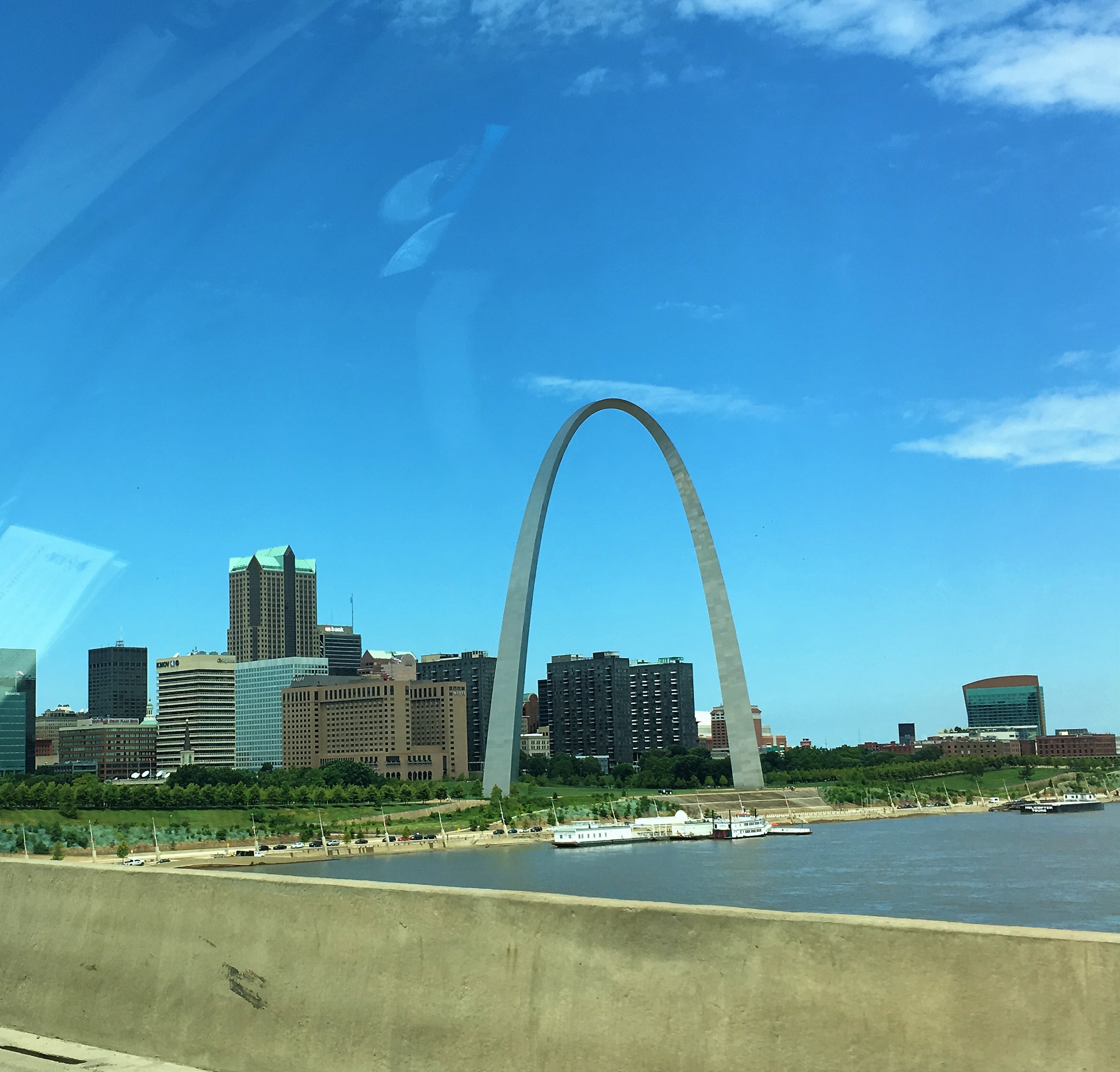
It was clear and sunny when we pulled into Hannibal. Hannibal is a cool town located right on the Mississippi river. It is also the childhood home of one Samuel Langhorne Clemens – also known as Mark Twain. He lived here between the ages of 4 and 18 (1839-1857), and it is here that he drew many of his stories from his childhood remembrances. This was our stop for the day.
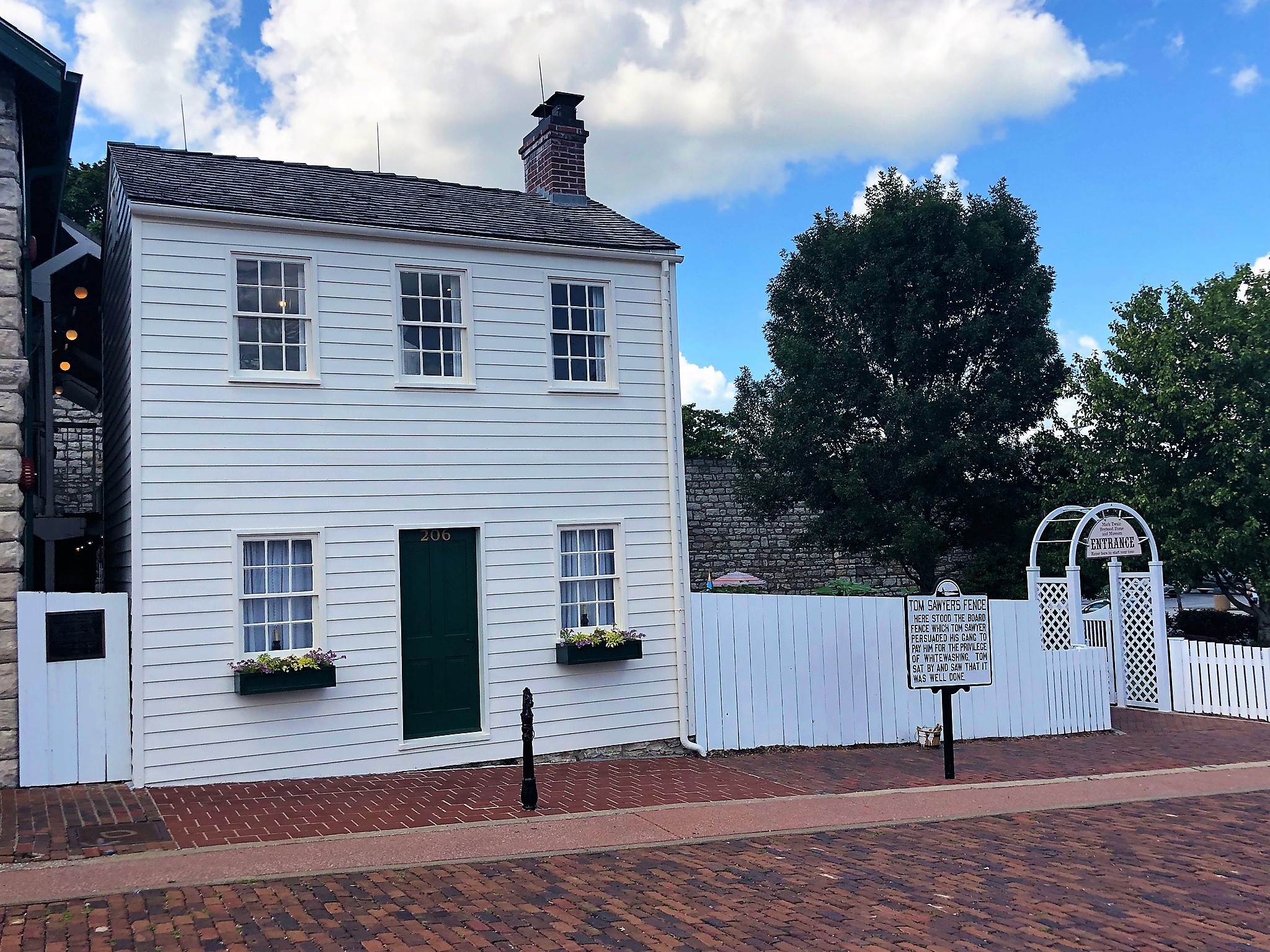
Twain’s childhood home has been restored and still stands just blocks away from the Mississippi. Right across the street lived his childhood sweetheart, Laura Hawkins, who would later become the inspiration for Becky Thatcher in Twain’s classic novel “Tom Sawyer”. A few blocks away was the home of his good friend Tom Blankenship – the inspiration for Huckleberry Finn.
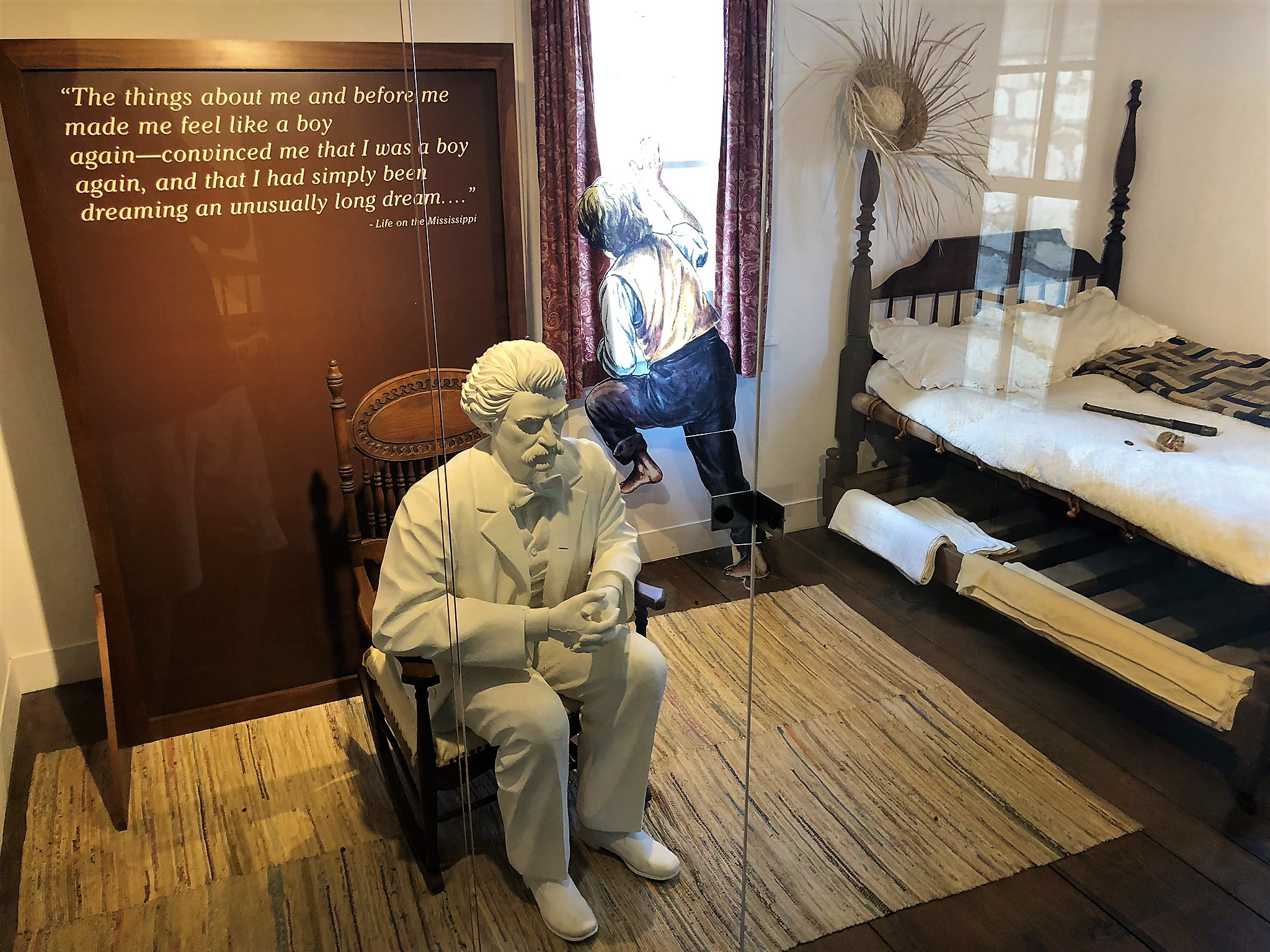
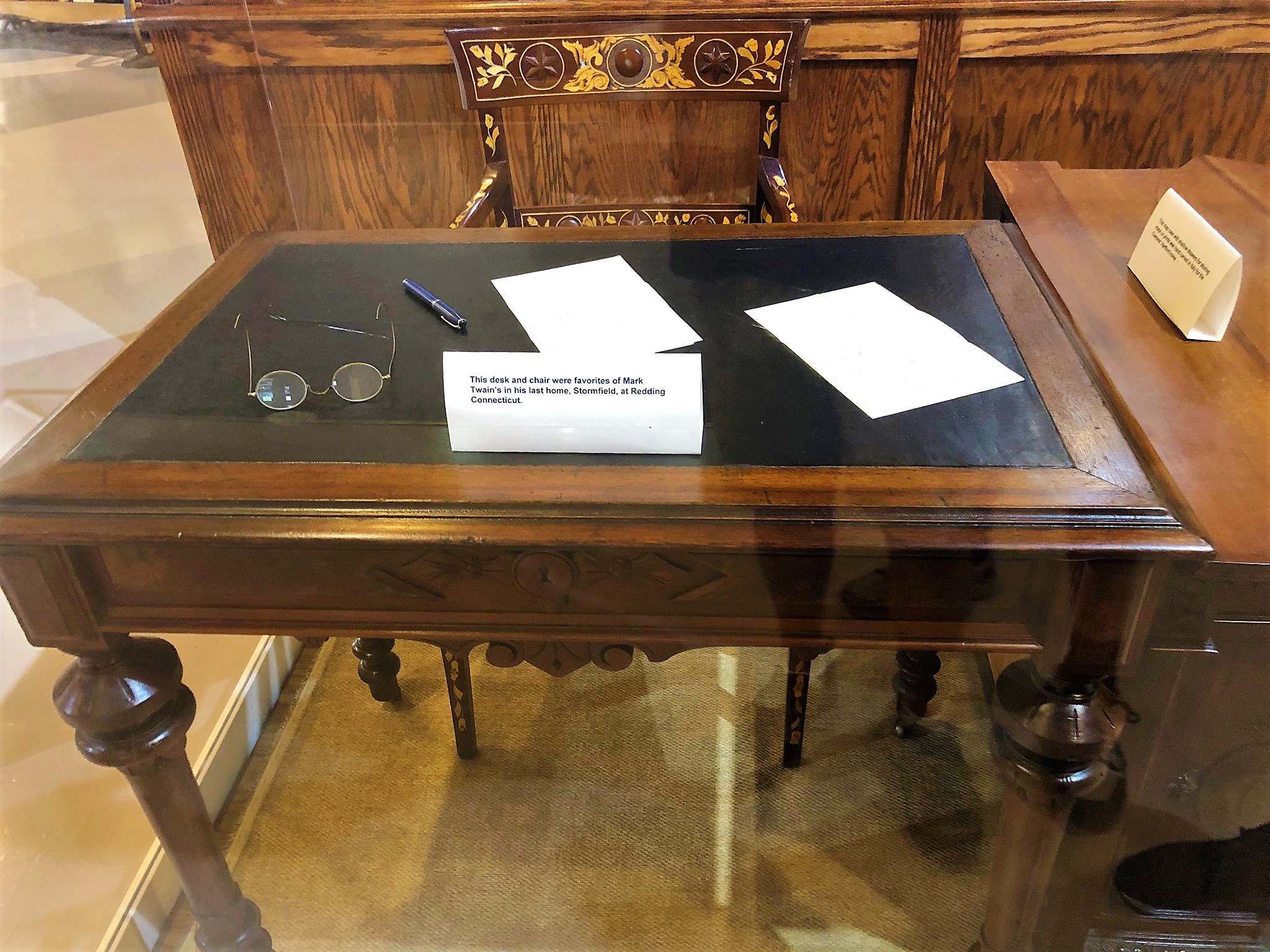
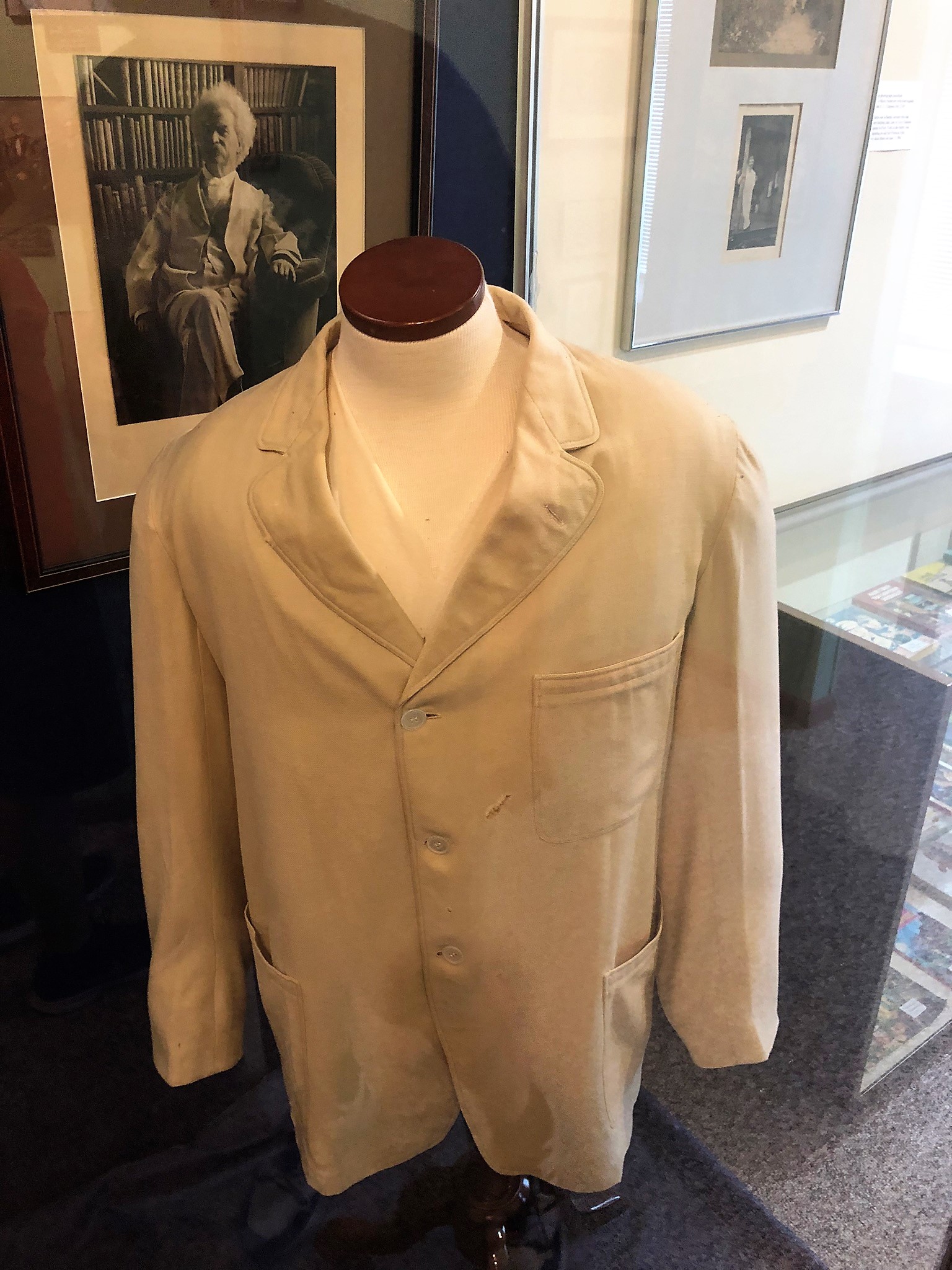
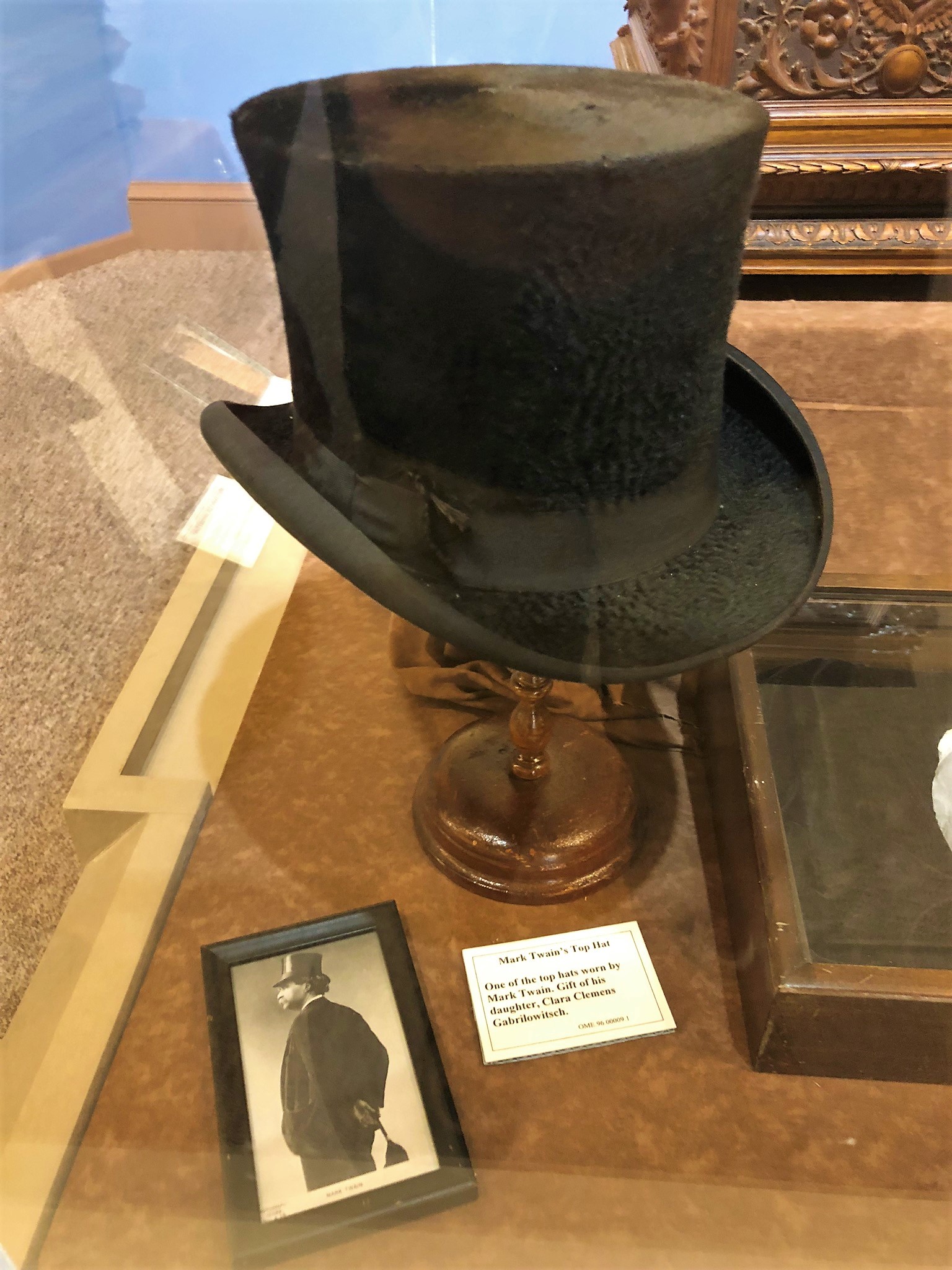
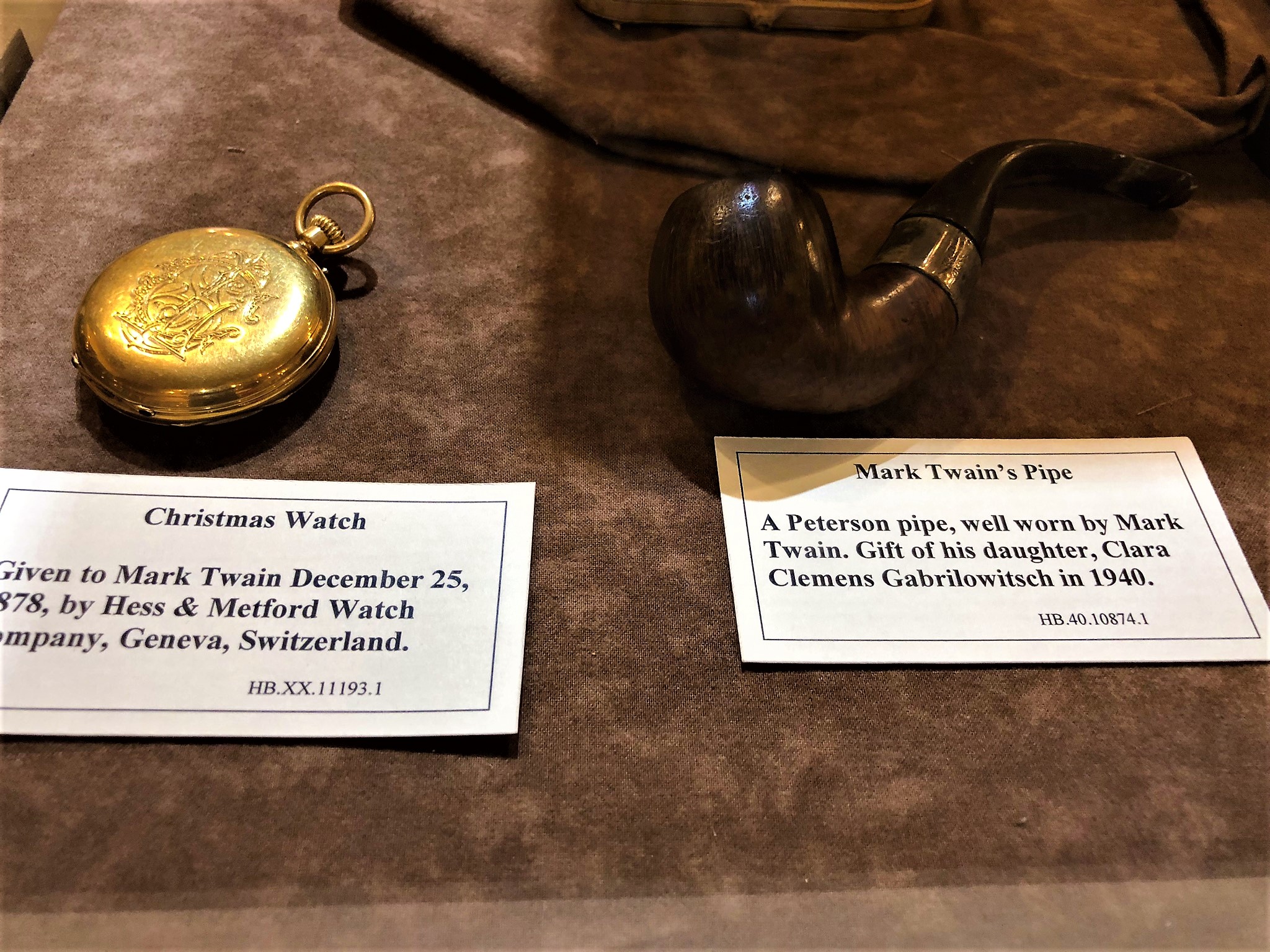
Twain’s home is furnished with a mix of vintage items that may have been in the home, as well as actual artifacts from the Clemens’ home. It was all very well done. In each room was a statue of Twain as an old man, reflecting back on his childhood. This is based upon fact as Twain, now a famous author, returned to his hometown and visited his home one last time before his death. It was bittersweet, and the displays in the home reflect that. What’s bittersweet for us is to realize that life is different today than back then, and like Twain, we realize that our childhood remains in fleeting memories and feelings when we get older. It’s something we can never go back to but in our memories, but those memories can make us happy.
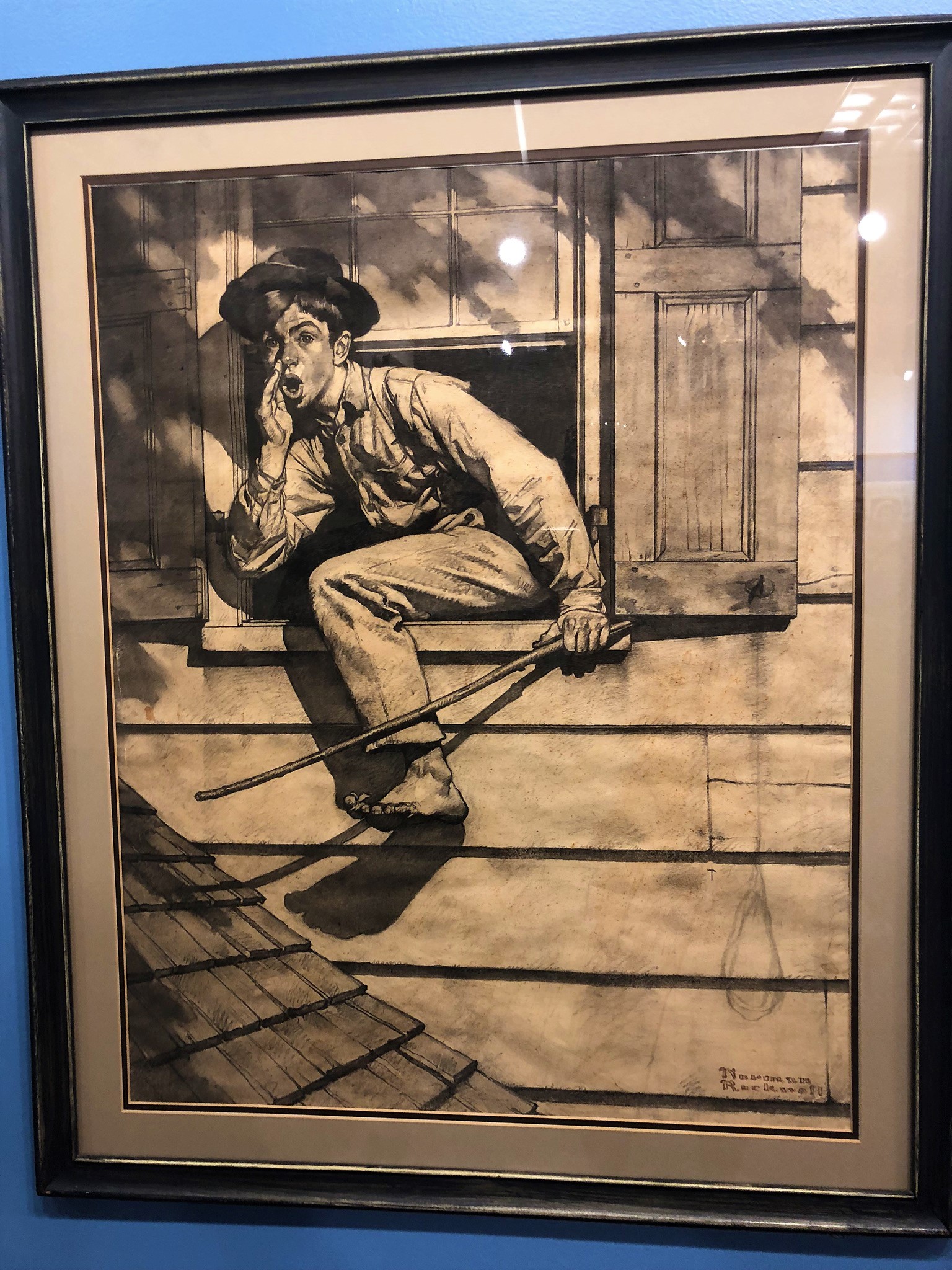
We toured the Hawkins’ home as well as Twain’s dad’s law office across the street from the Clemens home. A few blocks away was the Hannibal Museum which also houses a lot of Twain artifacts, and we toured this as well. It was a nice end to a day of driving, and thank goodness, with no drama whatsoever!
Some notes:
- It was brought to my attention while touring the Clemens home that neither boy had read a SINGLE story or book by Twain that they could remember. No Tom Sawyer? No. NO HUCK FINN? No. “Your teachers should be arrested!” I exclaimed. They didn’t understand what the big deal was. Nathan: “Was he a good writer?” Me (incredulously): “One of America’s best ever!” Nolan: “I’ve heard of him…but never read anything by him.” Me: Shakes my head and walks away. I can’t even…
- I teach several short stories by Twain and the novel “Huckleberry Finn” to my junior classes. One of the displays we saw was how controversial “Finn” continues to be to this day. The biggest detractors use Twain’s use of the “N-Word” as an example of why we shouldn’t still teach the book. I disagree. As I told one student who felt uneasy, “Does this word make you uncomfortable? Yes? Then that’s good. That word should never be easy to hear or say. This is what Twain grew up with, and so did the slaves who lived in his home. Later in life, this word, which Twain didn’t think much of, became a much heavier symbol of what some people went through everyday of their lives. It made them uncomfortable too. No one should be comfortable with that word ever again.”
- Once, a book in our school district was challenged. It was a 5th grade novel called “Roll of Thunder, Hear My Cry”. It was about the experiences of people during the time of slavery. I, a high school teacher, was one of those asked to speak before the determining panel. I spoke words very similar to the ones I told the student above. I added that the word is a heavy word, full of meaning, feelings, and POWER. To cut this word out, when used in context, is a shame. You take away the power of that word to disgust and horrify, and by sanitizing the word, we ignore the reality of people then and now. Don’t know if I made a difference, but the challenge was dismissed.
- Here is a very powerful poem by black poet Countee Cullen about the N-Word and it’s effects: http://holyjoe.org/poetry/cullen.htm
Well, that’s it for now. Today we drive north and west. Should make Iowa by late afternoon. Have a great day!
 The Great American Road Trip
My 5th grade teacher read aloud The Diaries of Adam and Eve by Mark Twain. I remember her laughing so hard she could hardly talk. They are so clever. She also read us The Telltale Heart by Edgar Allen Poe. It was only when I became a teacher that I realized how challenging her story choices were. We had great discussions and I was inspired to continue with good literature on my own.
LikeLike
Yes! Poe is actually very challenging for today’s teens too.
LikeLike
We both spoke out for that book and I would like to think it was our articulate arguments that won the day, but the truth is the woman who challenged the book never showed up to make her case. Complaint dismissed.
LikeLike
You’re right! I remember now that she didn’t show up. I’d still like to think that my statements made some people think of me as Atticus Finch defending Tom Robinson lol.
LikeLike
That’s a good way of putting it.
LikeLike