Today we made the drive from Richmond, Virginia to Charles Town, West Virginia, and then on to Baltimore, Maryland. It was a lovely drive through the countryside. Mountains (finally!) and great rivers in the area. The confluence of two rivers, the Shenandoah and the Potomac, makes for majestic scenery.
Just being honest here, but the only reason we took our scenic route was so that we could say that we were in West Virginia. I’ve actually been to this area before when chaperoning my school’s east coast history trip. Years ago, we used to come to West Virginia to visit Harper’s Ferry. This was the site where abolitionist, John Brown, led a raid on the Federal armory at Harper’s Ferry. There, they held up until overcome by U.S. forces (led by future Confederate General Robert E. Lee – see how everything is connected?). John Brown would be tried and convicted for treason, and hung. We would also stop in Charles Town, where in their town museum, you can see the wagon which carried Brown to the gallows. But, we skipped all this, mostly because it would cost us at least half a day. I would rather spend that time at other places.
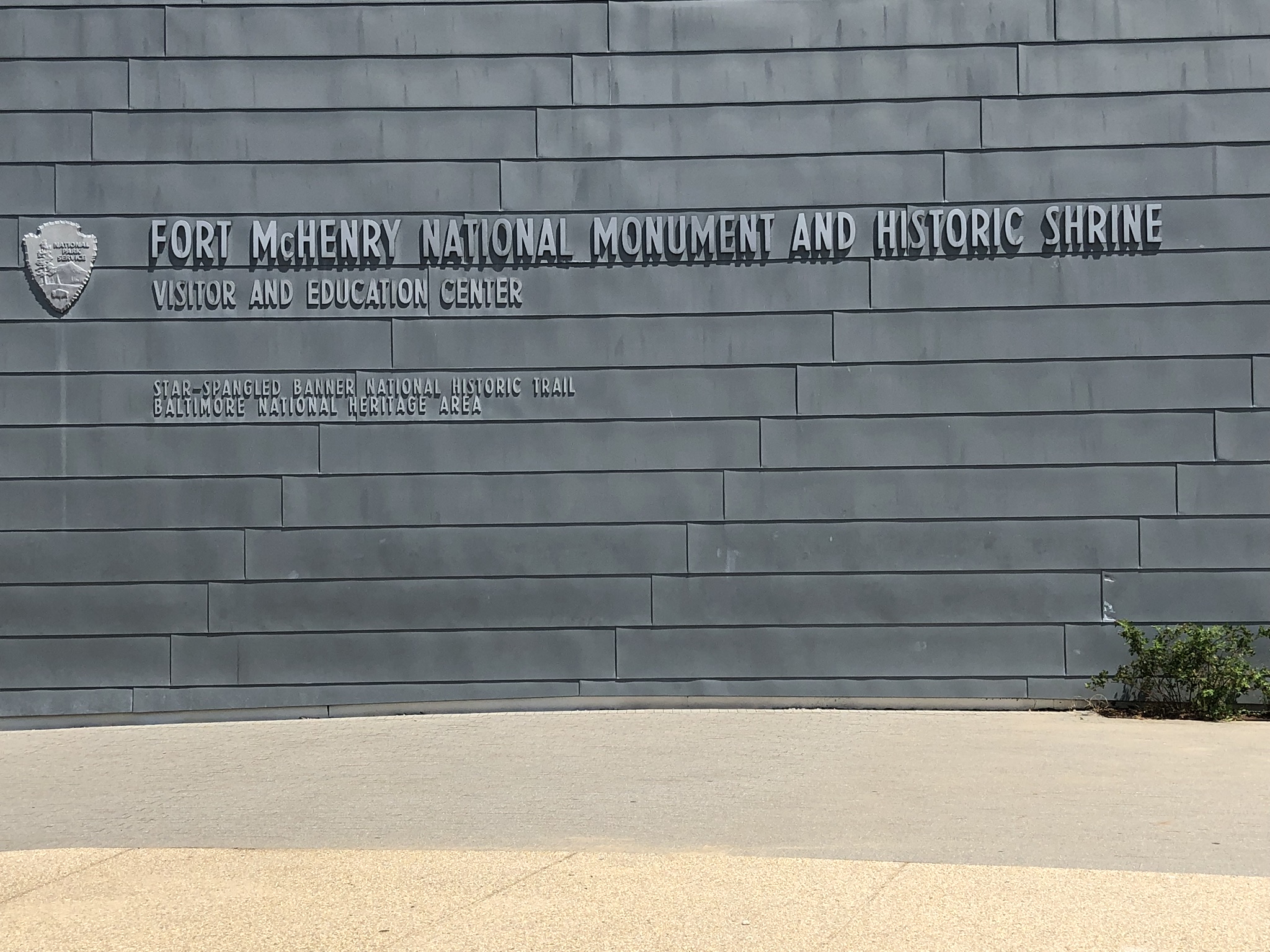
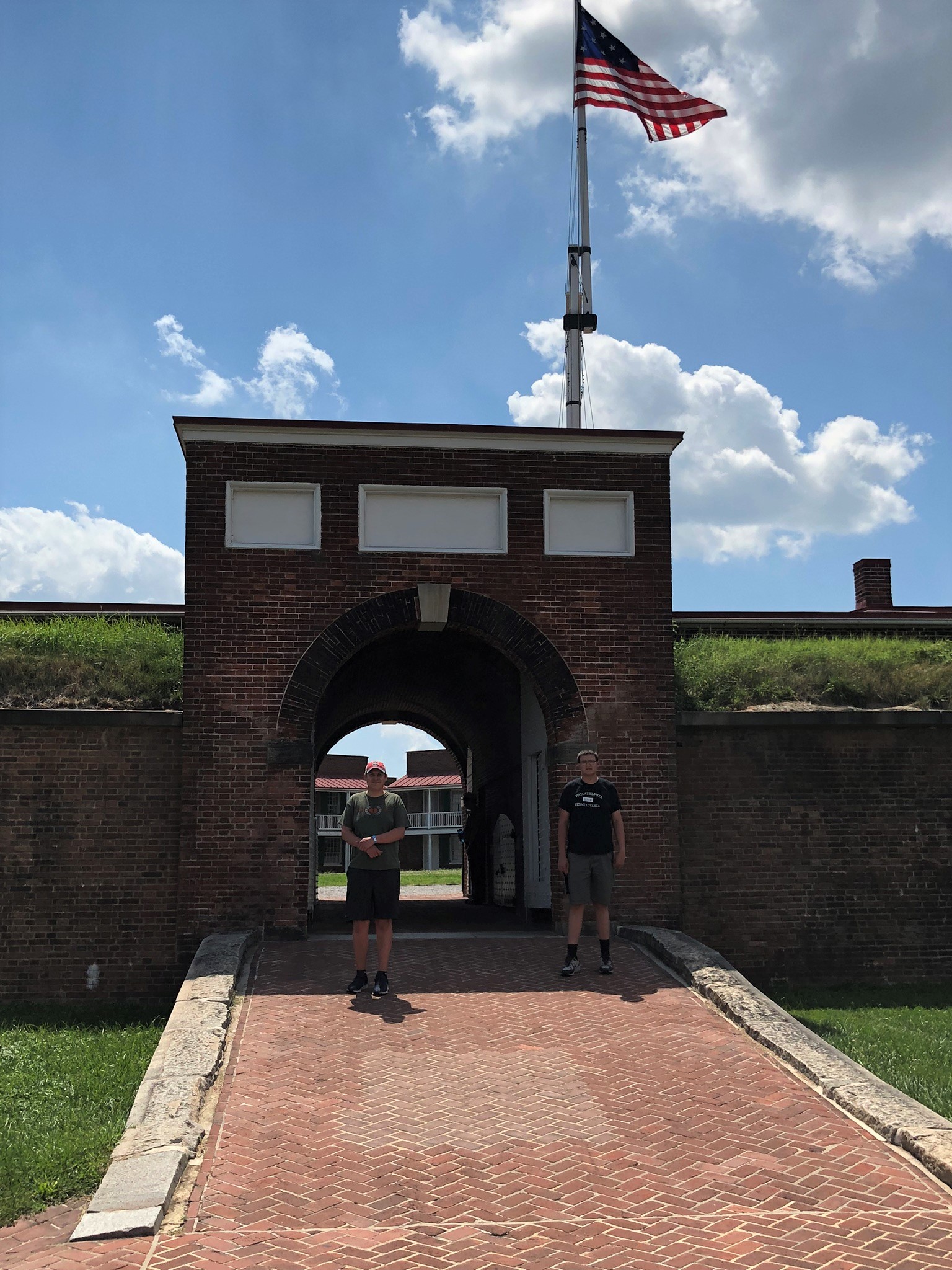
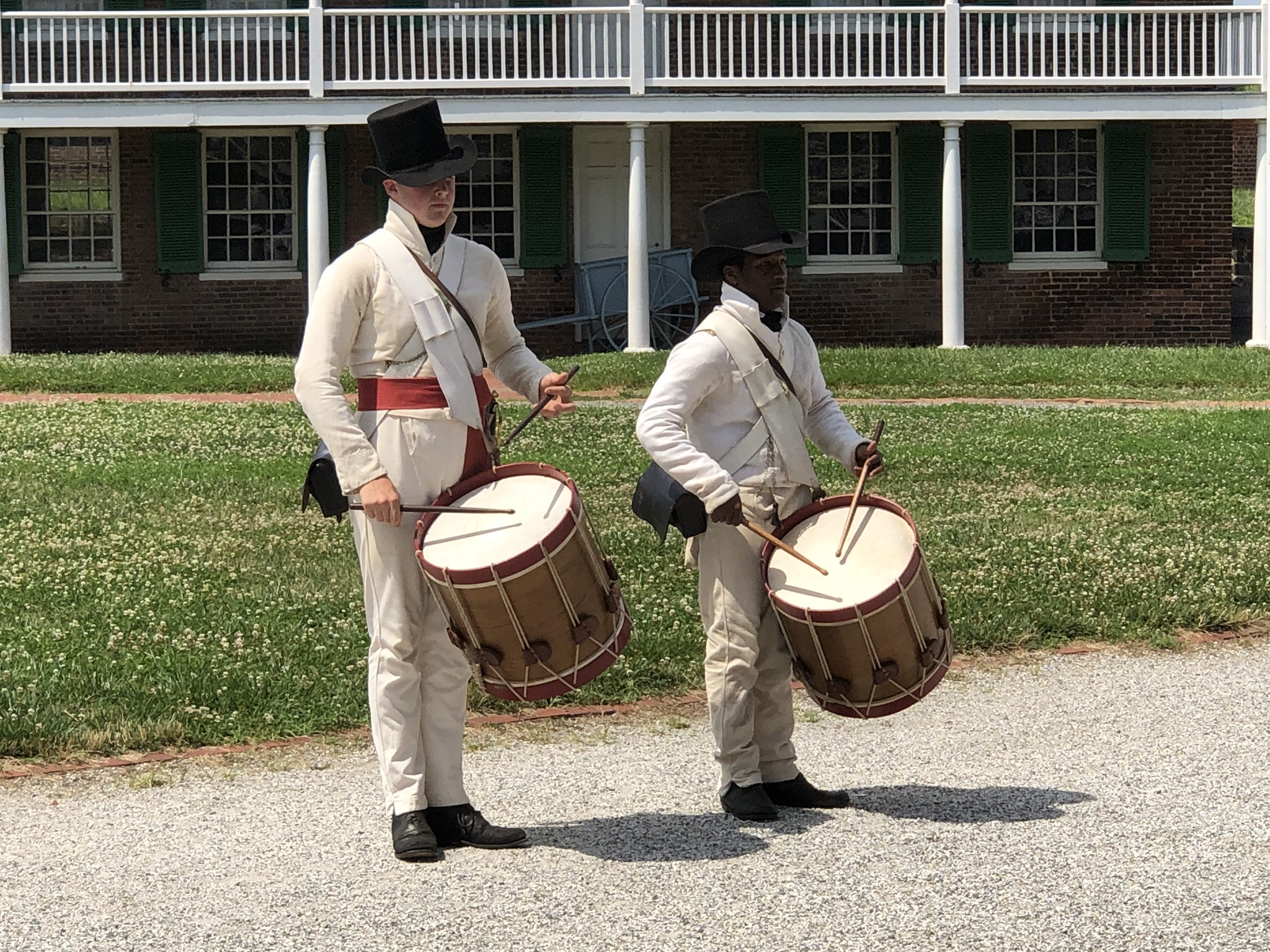
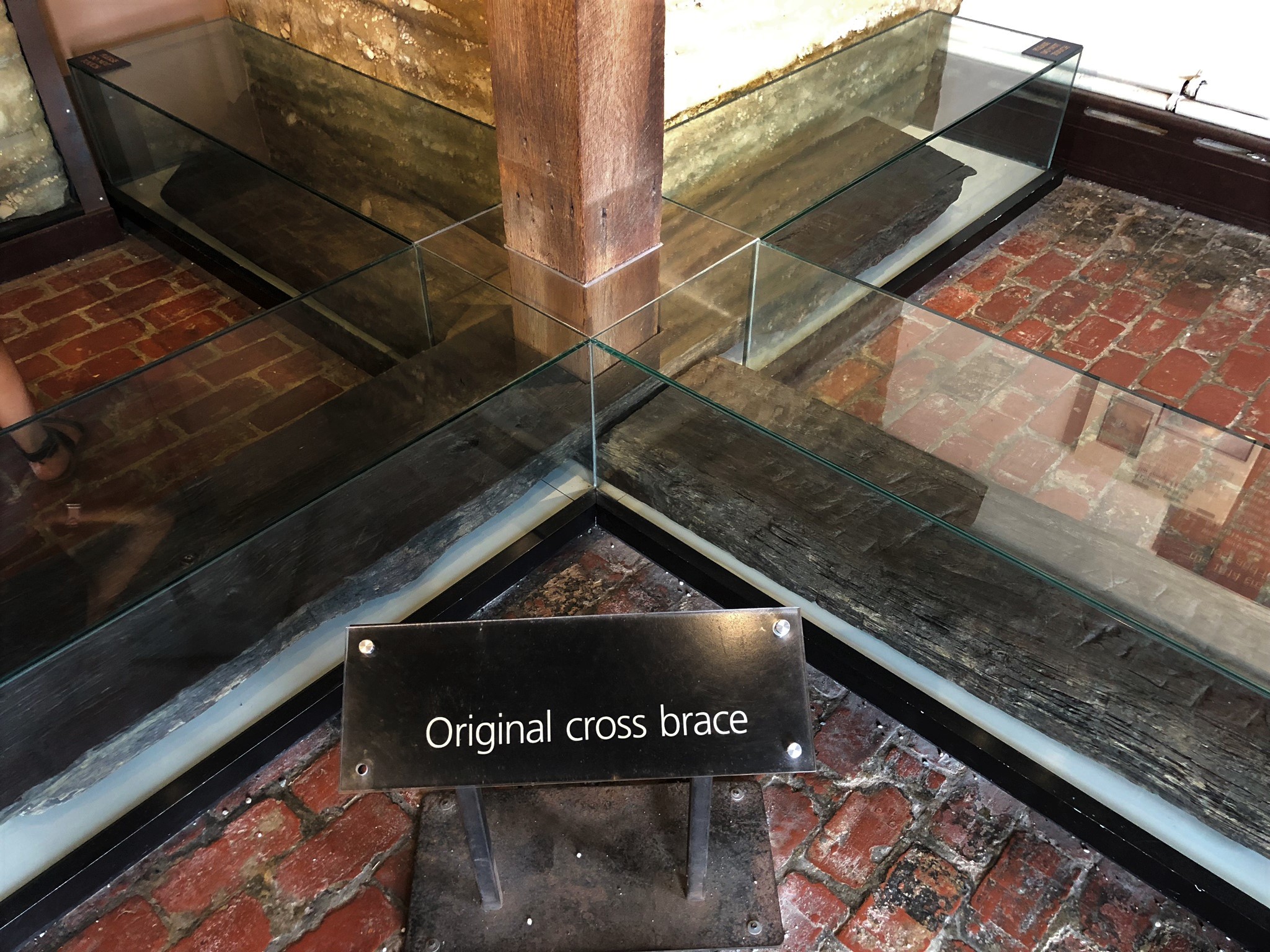
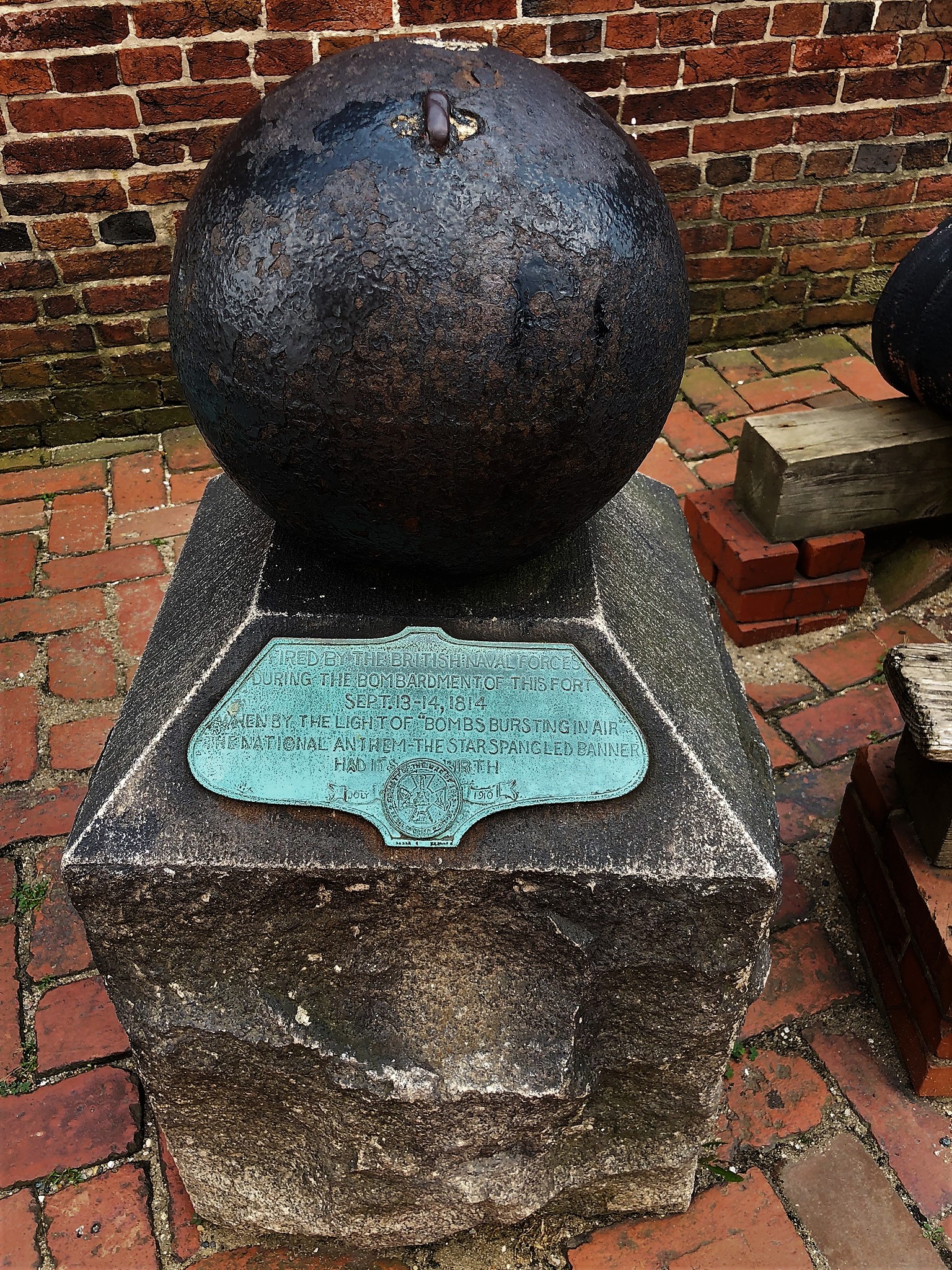
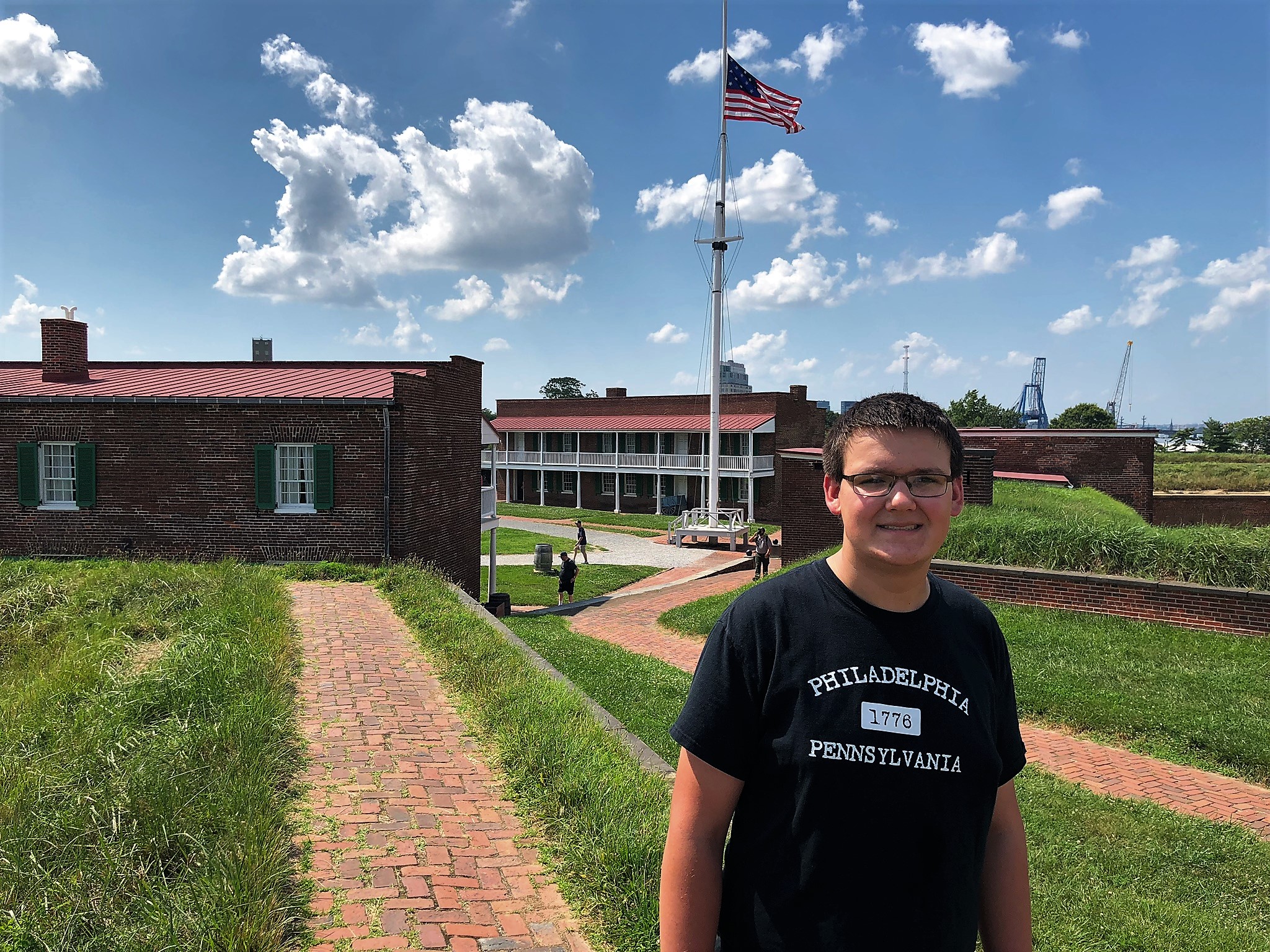
In Baltimore, we first went to Fort McHenry National Monument. Much like Fort Sumter in South Carolina, this fort has a very important part in U.S. history. Unlike Fort Sumter, which “starred” in the Civil War, this fort was the site of a famous victory by U.S. forces over the British during the war of 1812. The Brits and the Americans had been at war for two years when, in September of 1814, the British came. They had just embarrassed the young country by marching into Washington, D.C., and burning down the White House. Baltimoreans knew they were next, so they fortified the harbor, and in particular, the fort at the mouth of the harbor: McHenry.
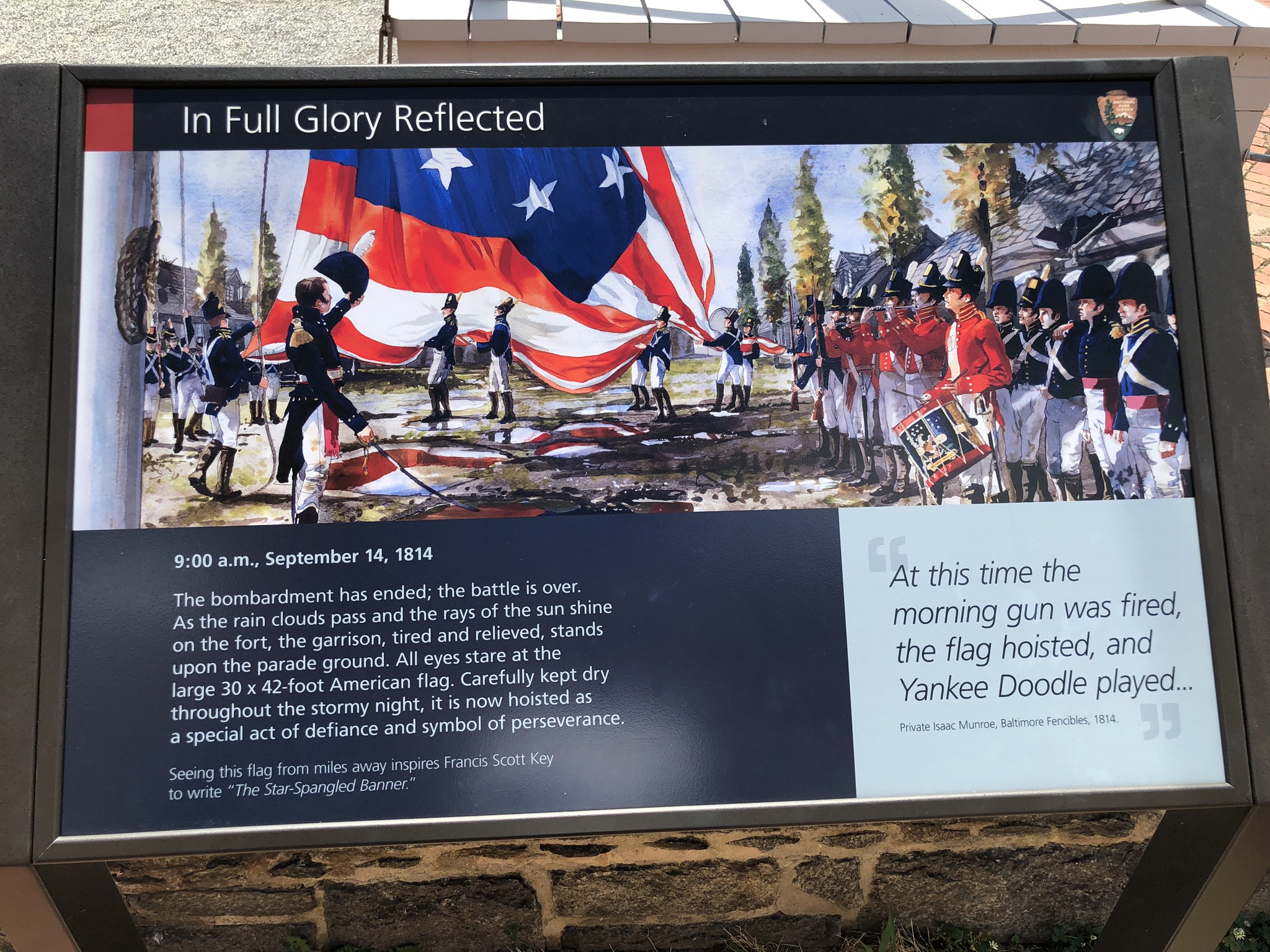
Fort McHenry’s defense was led by General George Armistead, whose nephew, Lewis Armistead would later be killed during Pickett’s Charge at Gettysburg (more connections!). But, of course, the reason the fort is so famous today is that a young lawyer by the name of Francis Scott Key, was being detained by the British on a ship in the harbor. They refused to release him until the battle was over. As the rockets and bombs fell on the fort, he worried that the fort would fall. When, in the morning, he awoke to see the U.S. flag still flying, he knew that the British had failed. He was so inspired, he scribbled down the first few lines of a poem which would later become a sensation across the country. Known as “The Star-Spangled Banner”, it would be put to music, and in 1931, officially became our national anthem.
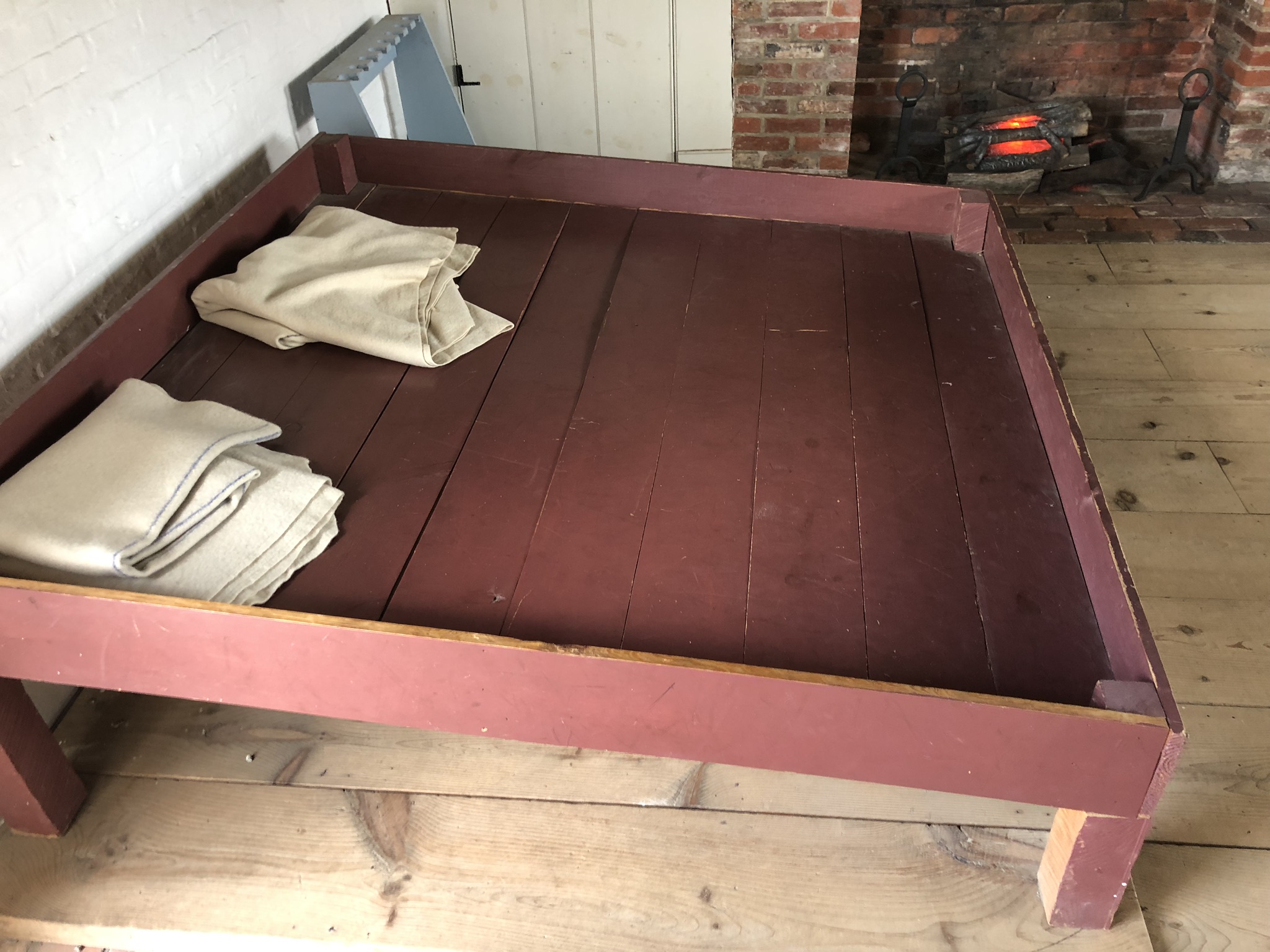
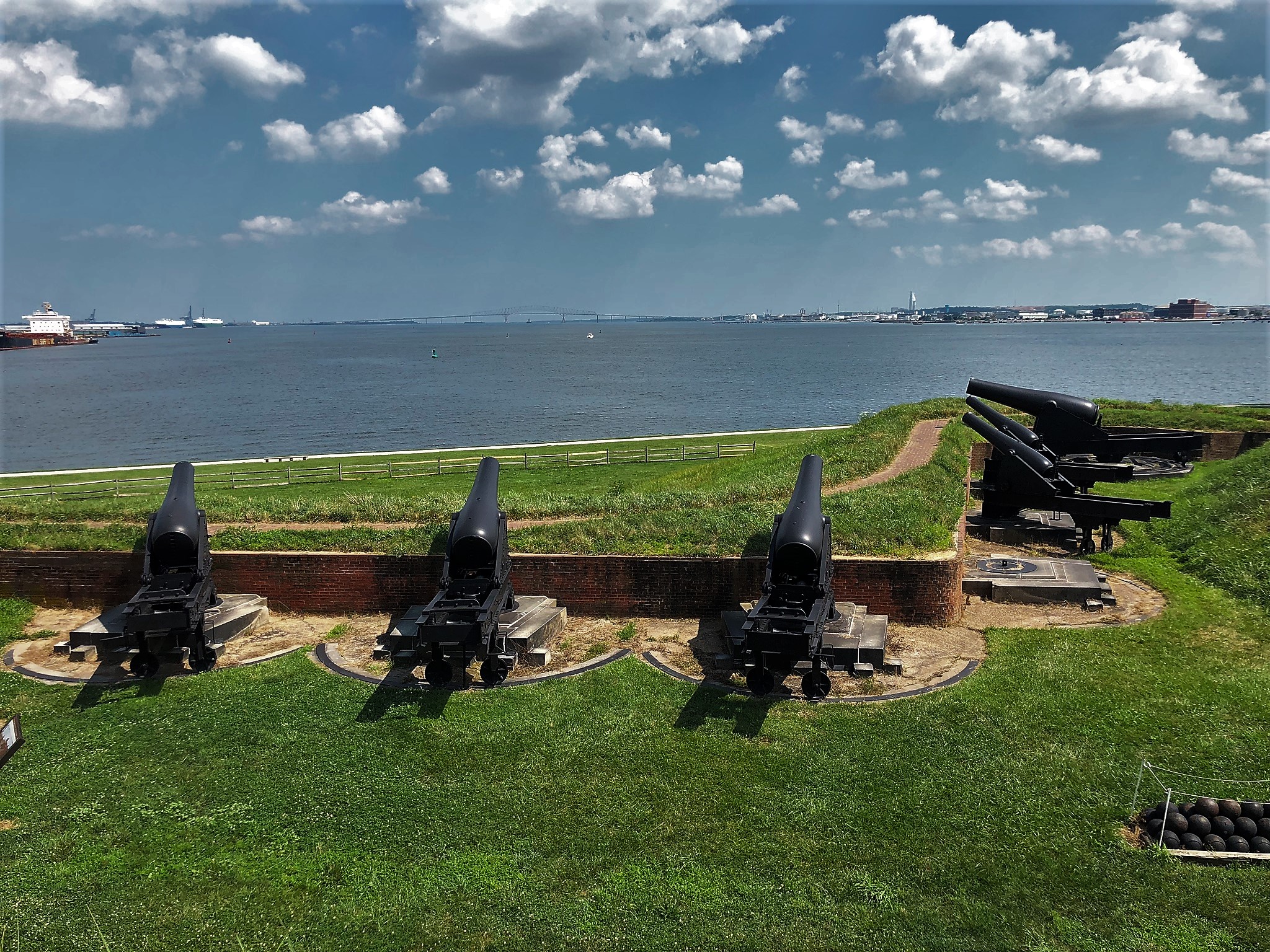
Today, much of the fort is accessible to the public. From the battlements, you can see where the British ships fired on the fort. You also notice why this fort was so important in the battle. If the fort were to be destroyed, British ships could easily enter the harbor and invade Baltimore.
I know I’ve been complaining about the heat through most of this trip, but today at the fort was one of the worst! 98 degrees, humid, a heat wave has been hitting the entire east coast. It was so hot, I made sure the boys and I drank lots of water. The park rangers were polite and helpful, and I definitely recommend watching the movie in the Visitor’s Center before entering the fort. They do a good job setting the scene for you.
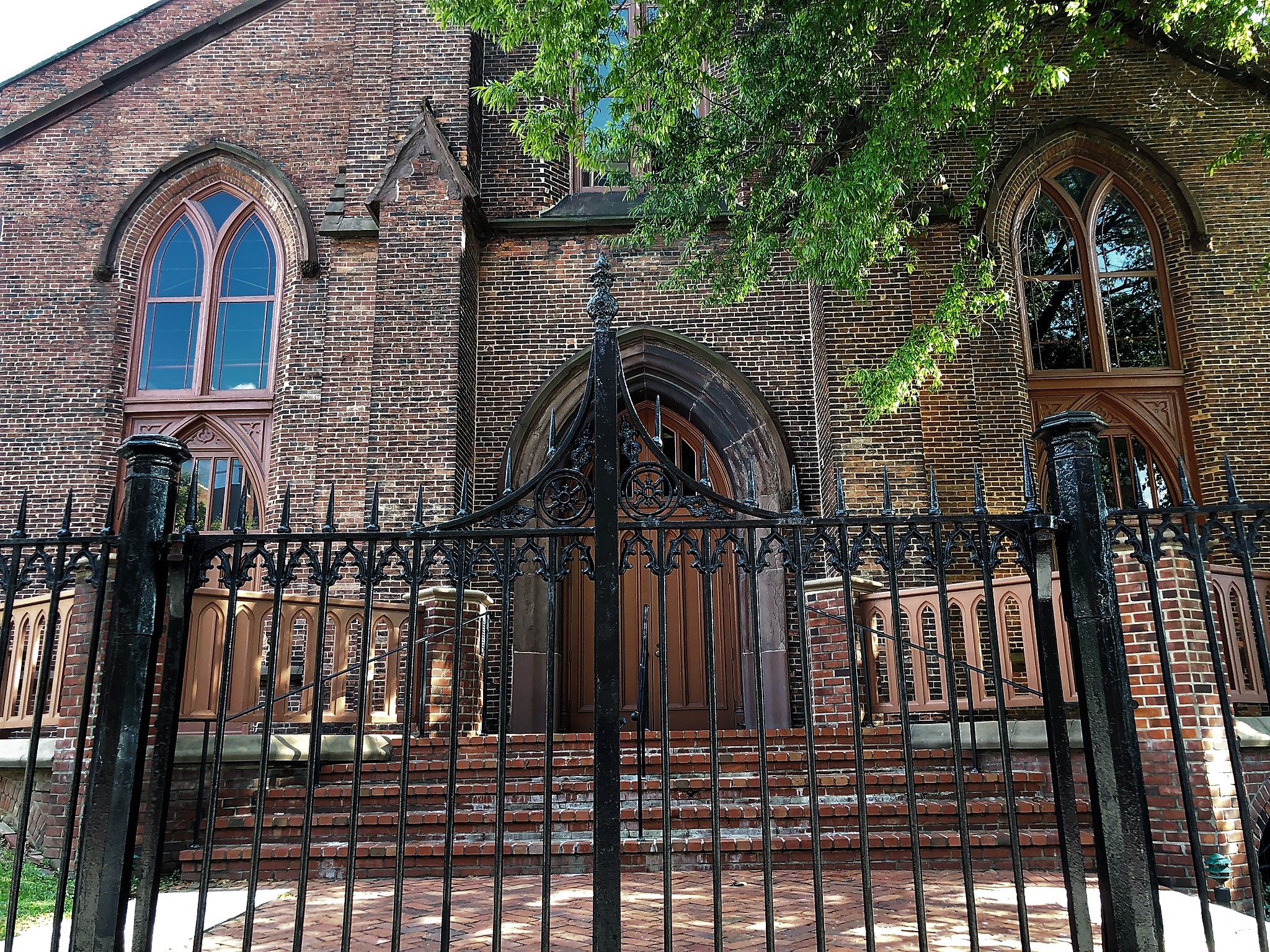
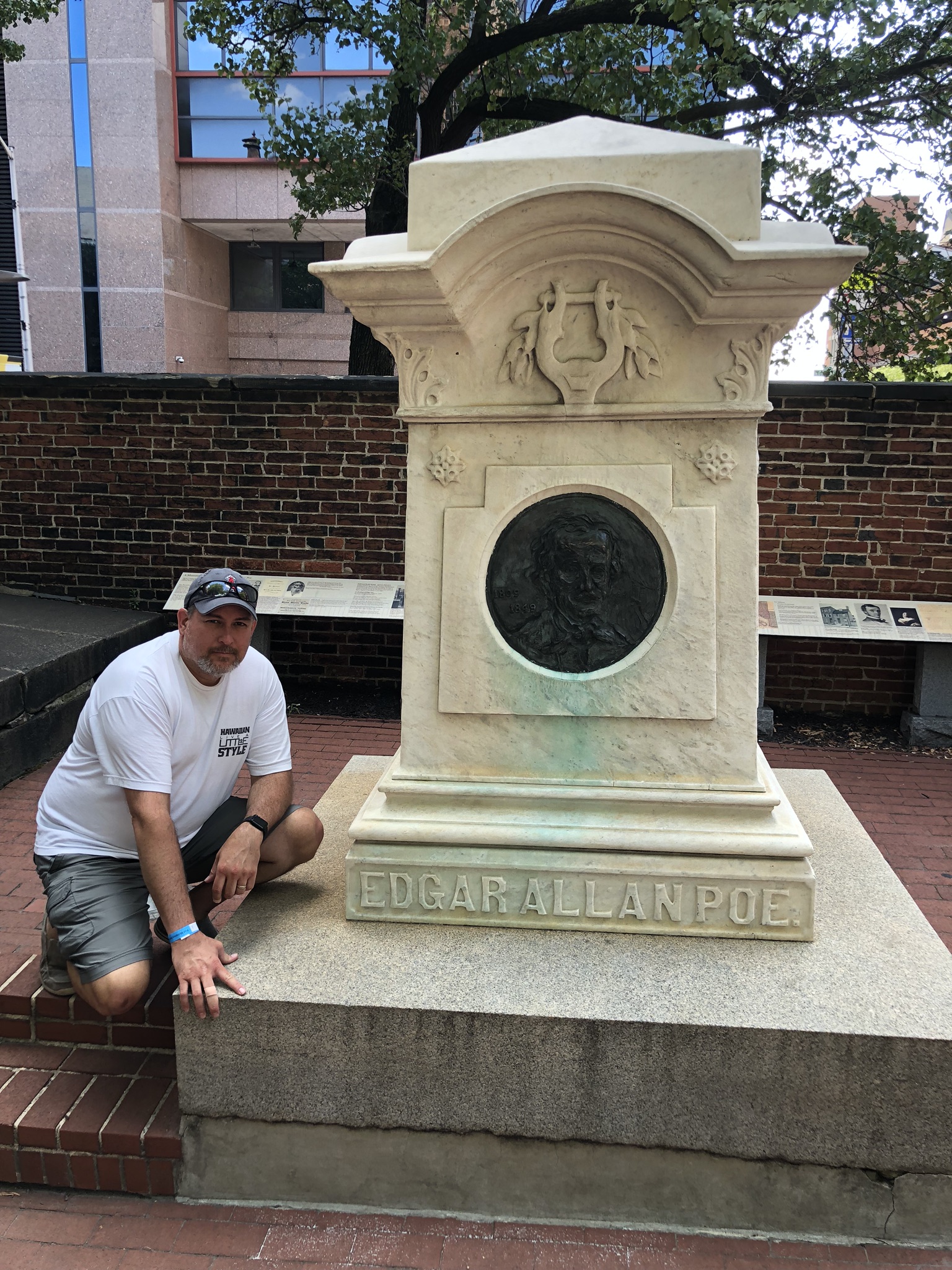
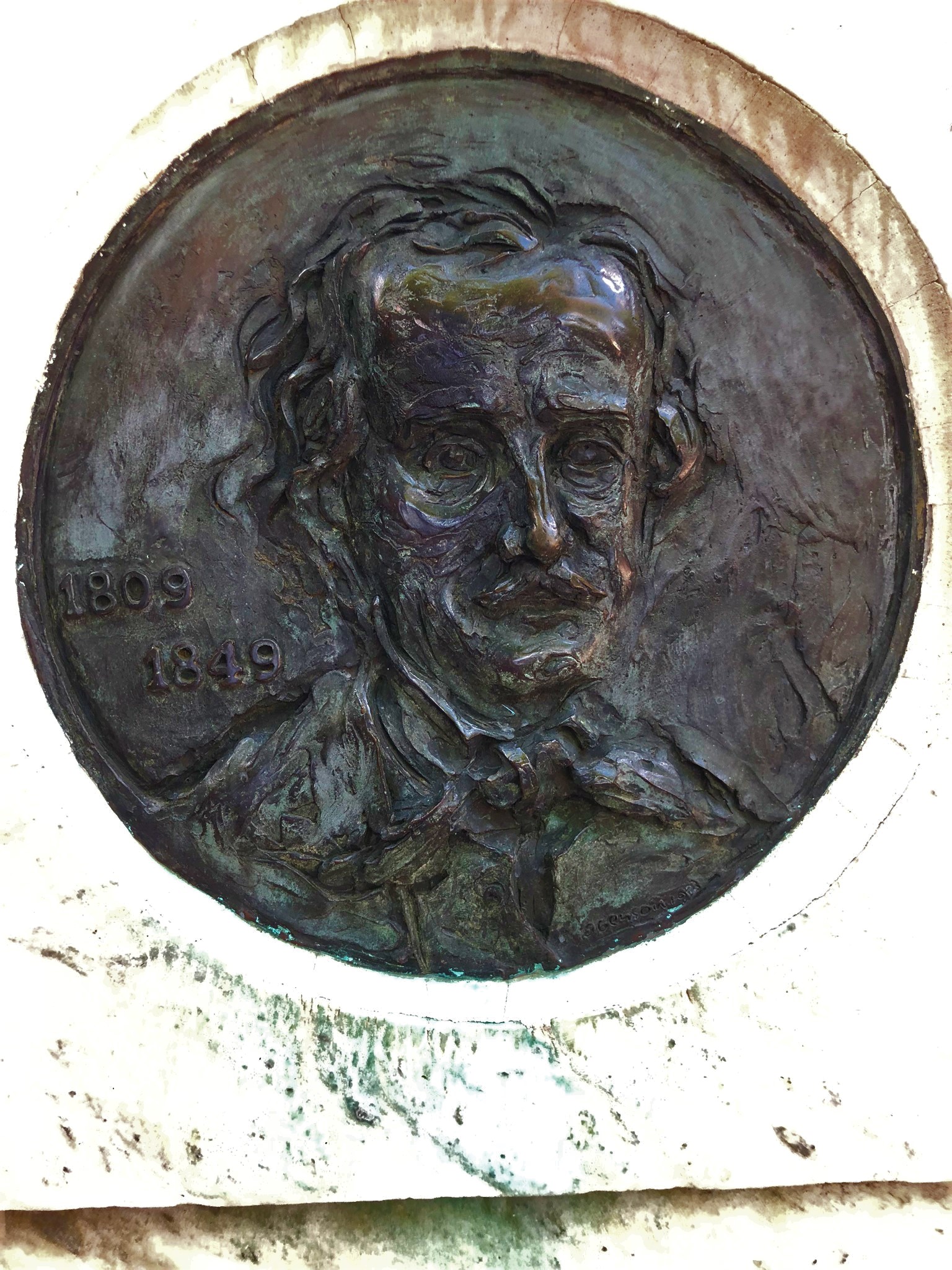
Next, we headed towards the Inner Harbor area of Baltimore. At the corner of N. Greene St. and W. Fayette St. is the Westminster Burying Grounds. This is a cemetery in which there are several graves of very important people in Baltimore’s history. But, their claim to fame, the most famous person buried here is none other than Edgar Allan Poe. I’ve been here a few times, and as an English teacher, I must admit that this is one of my favorite places in the U.S. One of the high points in my teaching career is chaperoning kids from the school I teach at here, and giving a lesson on the life of Poe, while in the shadow of his grave. I’ve read the poem, “The Raven” to the students while standing right next to the author of the poem. I don’t know. Something about that always gives me goosebumps.
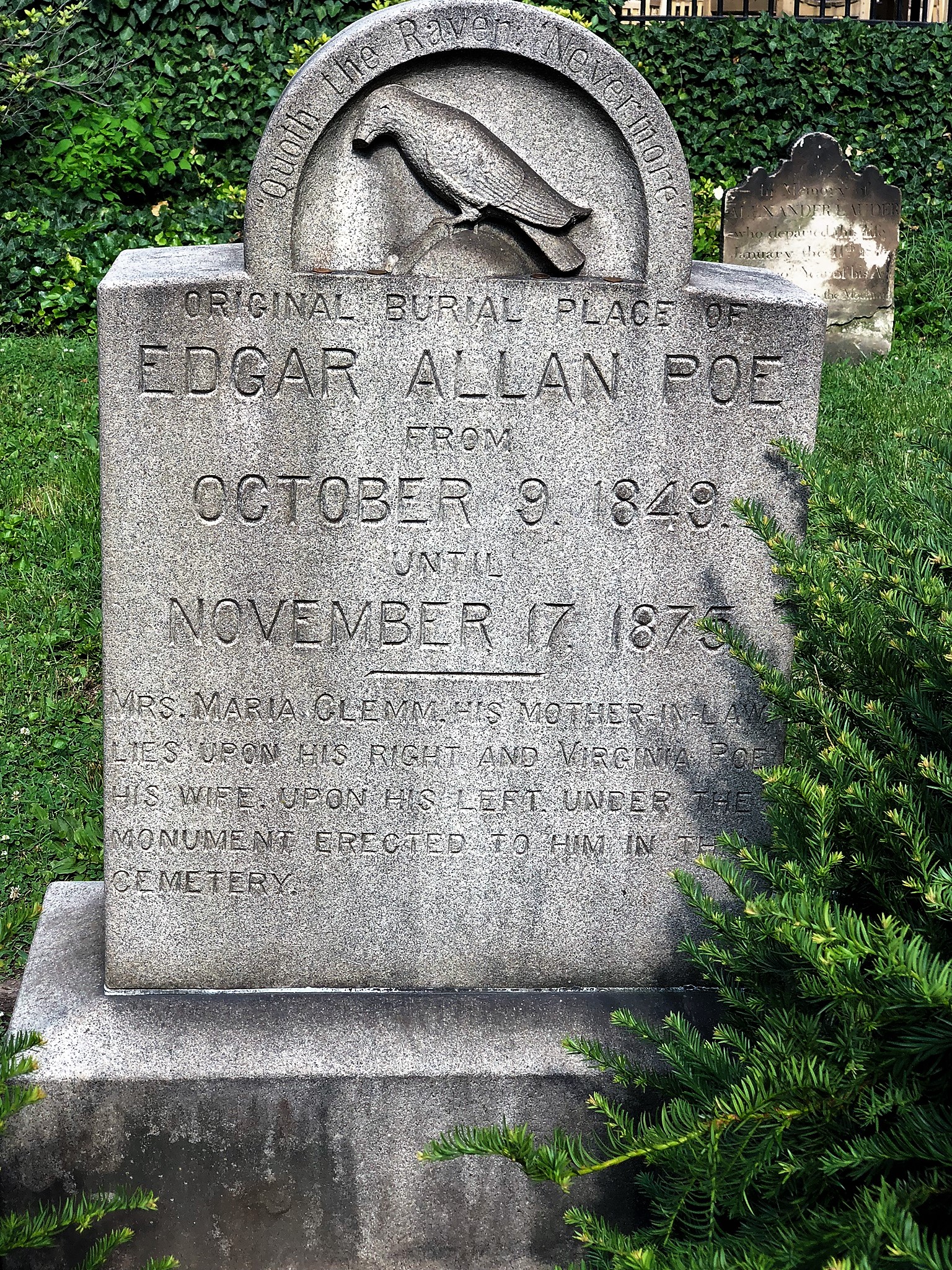
Edgar Allan Poe lived in Baltimore for a while, but he’s buried here because this is where he died under mysterious circumstances. Poe was on his way from Richmond, Virginia, to Philadelphia to check on a job offer. He stopped in Baltimore along the way…and then disappeared. He turns up on the evening of October 3, 1849, in the gutter outside of a pub (and voting station), unconscious. Dragged into the bar, he is recognized, and attempts are made to find relatives of his (he had a couple of cousins who lived here at the time). He came to, but was delirious. A cab was sent for, and he was transported to a nearby hospital. There, he went in and out of consciousness. When awake, he was sometimes lucid, sometimes delirious. He would ask for water, but then not drink. Poe was never coherent enough to explain what had happened to him. At one point, he kept yelling out the name “Reynolds”, but nobody knows what this was in reference to. Finally, early on the morning of October 7th, Poe succumbed and died. The next day, his cousins arranged for him to be buried at the burying grounds. Only seven people attended his funeral. His headstone was a simple cement block with a number. It wouldn’t be until years later, after he had become famous, that the church decided to move him to a more prominent part of the graveyard. The teachers and children of Baltimore held fund raisers so that he could have a proper marker (the marble marker which stands there today). Poe’s life, and death, are stories fraught with sadness and despair.
Today, we visit on a very hot day. The cemetery is in a weird area, an old, old church and graveyard, surrounded by the immense city of Baltimore. On all sides, the graveyard is in the shadows of tall buildings. The University of Maryland hospital is right across the street. The graveyard is mostly empty of living people. The three of us were the only ones there for at least 15-20 minutes. There is a marker where Poe’s first grave was located. It’s in the back of the graveyard. The newer marble monument is located right at the entrance. Often, I have found that people leave all sorts of things at his tomb. Today, a single bell sat on top. I imagine it is in recognition of his famous poem, “The Bells”. I’m not sure.
We paid our respects, and took a few pictures. The boys marveled at the old graves here. Some veterans of the Revolutionary War are buried here. The McHenry of Fort McHenry fame is buried here. But the star of the show was the one who only had 7 people attend his funeral. Amazing.
Tomorrow we will travel to Philadelphia, another town which Poe lived in. Oh yeah, it’s also where the Declaration of Independence was signed. And there is some bell with a crack in it there as well. Should be interesting…
Ok, now for some Poe trivia:
- It is true that Poe married his 13 year old cousin, Virginia. What was scandalous in his day was not that he married his 1st cousin, but that she was 13. Their marriage license lists her as 18 when they married
- It is also true that to most people who knew him, Poe’s happiest years were the ones when he was married to Virginia.
- Poe was paid only $15 for his most famous poem, “The Raven”. He made much more money on the speaking circuit, reciting the poem for adoring crowds.
- Poe was born in 1809, the same year as Abraham Lincoln and Charles Darwin.
- Poe’s wife, Virginia, died of “consumption”, today known as tuberculosis. It is the same disease that his mother, Eliza, died from. Both died at the age of 24.
- Poe certainly wrote stories of horror, but he is also known for inventing the modern detective story. Today, the Edgar Award is given to the best writing in this genre.
- Poe not only got kicked out of the University of Virginia, but also from West Point.
- At Poe’s second burial in 1875 (when the marble monument was erected, and his body was relocated), several prominent poets were invited. The only one who actually attended was Walt Whitman. Alfred, Lord Tennyson did not attend, but he wrote a poem for the occasion, which was recited at the ceremony.
I could go on, but it’s getting late. We’re about at the halfway point of this road trip, and looking back, we’ve covered a LOT of ground! It sometimes seems like it was just yesterday when we left our house in Oregon, and sometimes it seems like it’s been months. Thanks for coming along on this journey with us!
 The Great American Road Trip